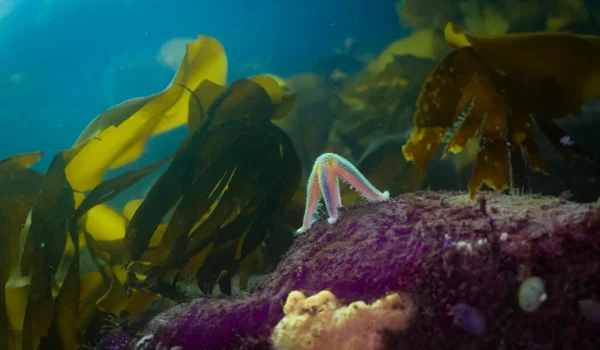
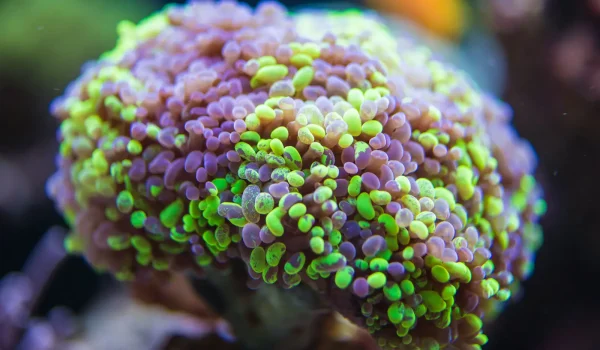
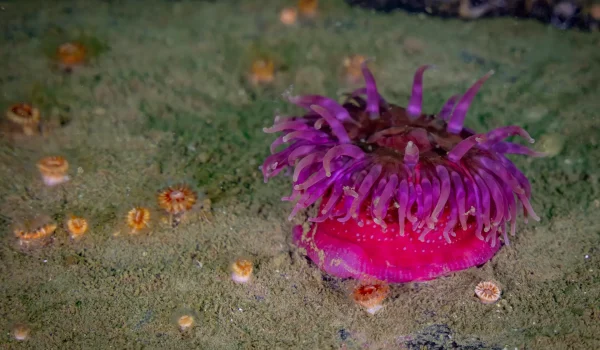
Design foundation structures that enhance local biodiversity instead of suffocating it — supporting fisheries downstream.
CHALLENGE
Standard foundation designs can resuspend particles continuously, suffocating seabed organisms and creating barren “dead zones” unattractive to fish and other mobile life.
REQUEST
What conditions and features are required for relevant bottom fauna to thrive? Scientific input is requested on the design of foundation structures, as well as support for the development of artificial reef structures adapted to the local environment and foundations.
DELIVERABLE
Clear evidence-synthesis of key local species and environmental constraints, including an assessment of potential ecological effects and of conservation measures for the specific scenario. Based on these findings we propose design adaptations and concrete recommendations for the design of habitat-enhancing structures and artificial reefs, covering material selection, surface complexity, placement, and other relevant considerations. Recommendations are based on existing evidence and expert knowledge, supported by client data and relevant databases where applicable.