Develop a scientifically rigorous and feasible environmental monitoring plan for a dredging operation, or any other risky marine intervention.
Challenge
Many widespread monitoring methodologies fail to meet robust scientific standards, and even miss out on critical risk points. Researchers with documented experience in comparable ecosystems and a track record of peer-reviewed publications are generally best suited to design such plans. *We exist to make this the new norm.
Request
Design a suite of scientifically sound environmental monitoring strategies that comprises:
1) a minimum acceptable strategy
2) a recommended, best-practice strategy
3) a maximum precautionary, high-resolution strategy
Deliverabe
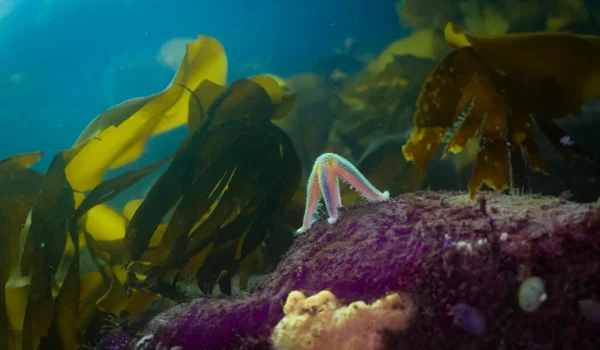
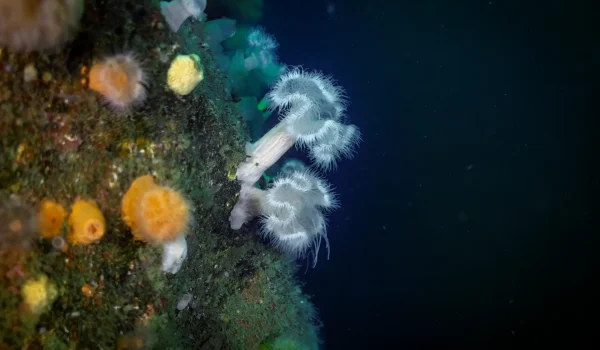
Standard foundation designs can resuspend particles continuously, suffocating seabed organisms and creating barren “dead zones” unattractive to fish and other mobile life.